Parrot Care Tips

Happy birds start with informed owners.


Caring for a parrot is about much more than providing food and a cage. These highly intelligent, social creatures thrive on mental stimulation, a specialized diet, and deep companionship. Let's build a vibrant world for your feathered friend.

Quick Care Categories

Everything you need to keep your feathered companion safe, active, and thriving. Select a category below to explore expert-curated parrot care guides.

Housing & Cage Setup


A Happy Home Starts With the Right Setup

Providing the ideal habitat is key to your parrot's longevity and happiness. Learn how to transform their living space into a thriving, interactive sanctuary.

1. Generous Cage Space

Parrots require ample space to stretch their wings fully and flap without touching cage bars. Always purchase the absolute largest cage your living environment can comfortably accommodate.

2. Mental Enrichment

Your bird is incredibly smart. Keep boredom at bay by offering bird-safe shredding toys, foraging cups, bells, and puzzles. Regularly rotate toys weekly to keep their sensory world exciting and new.

3. Natural Wood Perches

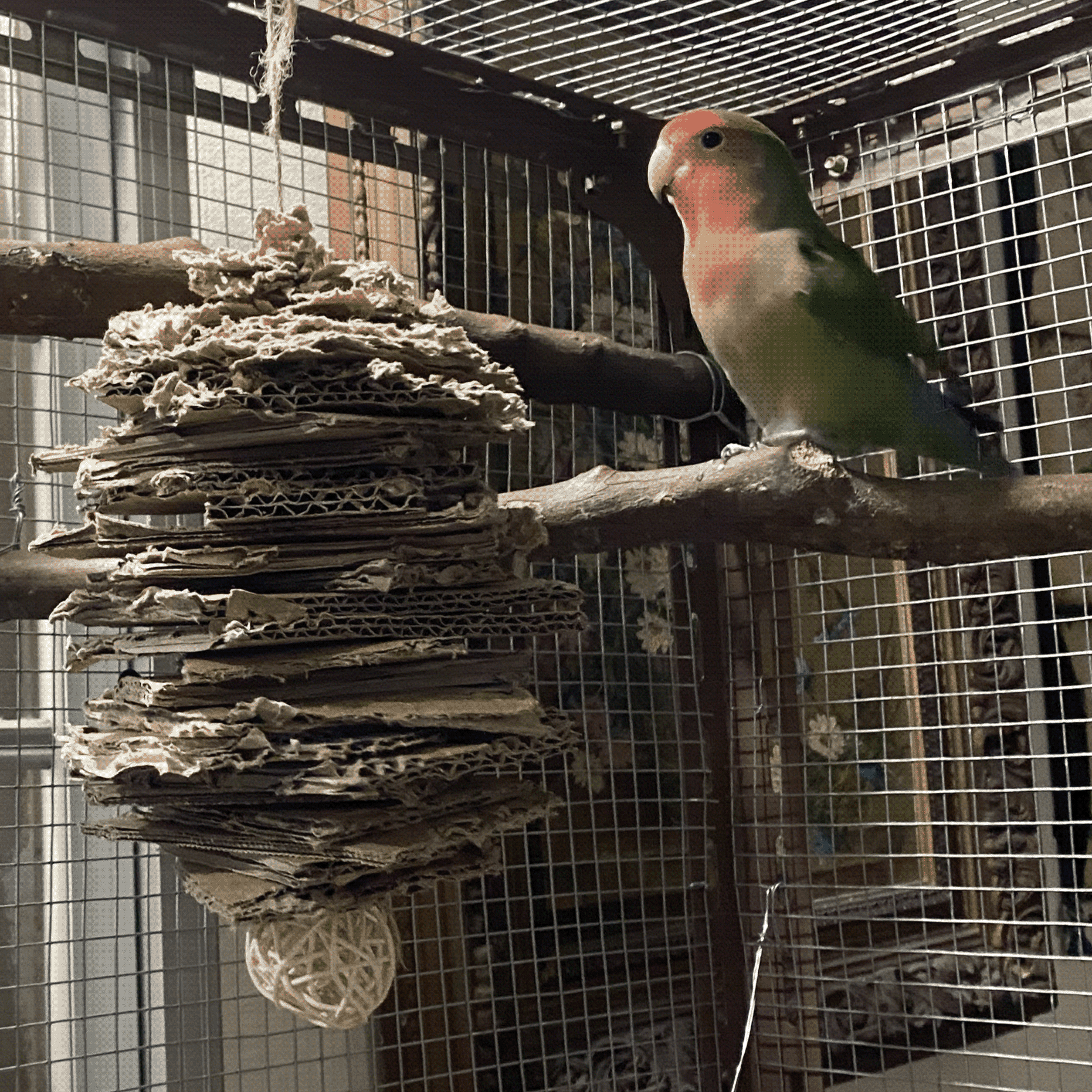
Ditch the uniform plastic dowels. Instead, choose varying shapes and diameters of natural, bird-safe wood branches. This variation exercises their feet and helps prevent painful pressure sores like bumblefoot.

4. Perch Placement

Parrots naturally tend to feel safer and more comfortable when they can perch higher up. Place suitable perches towards the upper areas of the cage to provide elevated resting spots, similar to their natural preference for resting higher in trees.

Keep enough space above the perch for your parrot to sit comfortably, and avoid placing perches above food or water bowls.

Your parrot's cage shouldn't just be somewhere they sleep — it should be an environment they can explore.
Toys & Enrichment


Keep Those Beaks & Brains Busy!

Regular toy rotation is key to preventing bird boredom! Swap out activities weekly to stimulate their natural foraging, shredding, and climbing instincts.

Shredding Toys

Satisfy their natural drive to chew with safe materials like balsa wood, crinkle paper, and woven palm leaves.

Foraging Puzzles

Encourage wild hunting instincts. Hide nuts and seeds inside puzzle boxes or wrapped treats that require active logic.

Climbing Gear

Keep them physically active with dynamic rope perches, ladders, cargo nets, and challenging swings.

Interactive Play

Build deep social bonds through target training, color sorting toys, bells, and direct daily interaction with you.

DIY Doesn't Have to Be Expensive!

Parrots love to chew, shred, and destroy—it is a vital natural behavior! Fortunately, you don't need a massive budget to keep your feathered friend happy. Everyday items like clean cardboard can quickly be transformed into zero-cost, high-engagement toys.

The Magic of Cardboard Upcycling

Plain, dye-free brown cardboard is a fantastic material for parrot toys. Clean toilet paper tubes, paper towel rolls, egg cartons, and shipping boxes (with all plastic tape and glue removed) are ideal. Because parrots naturally seek to tear things down, cardboard provides a safe, highly satisfying outlet for their destructive instincts.

⚠️ DIY Safety & Nesting Warnings

ParrotKidz DIY Idea 🦜
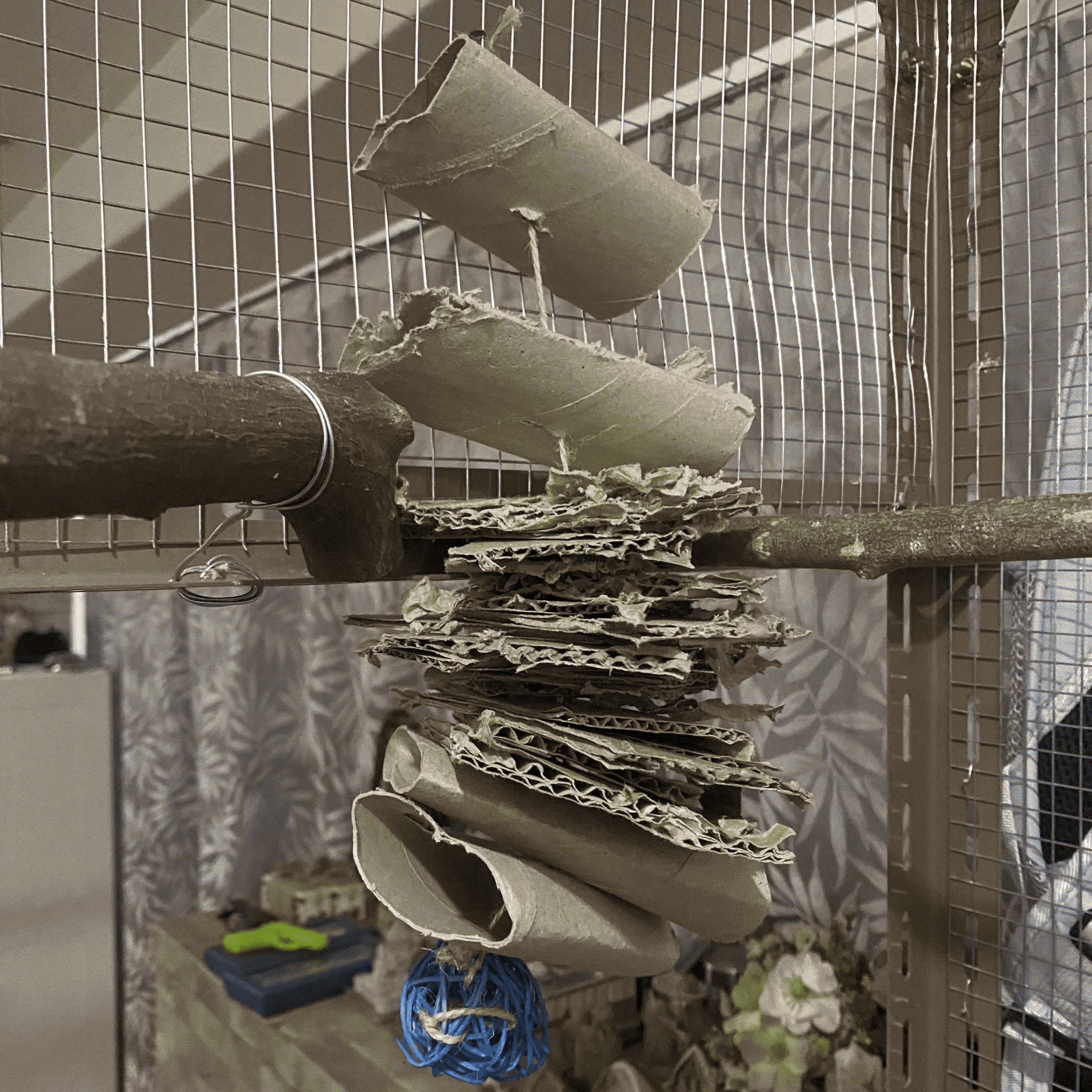
The Easy Roll-Up Forager: Fold one end of a clean toilet paper tube. Fill the inside with some natural crinkle paper and drop in a few favorite seeds or organic nuts. Fold the other end shut. Punch small holes in the cardboard so they can sniff the food inside. Hang or hand it to them, and watch them shred away!

Untreated Cardboard Boxes & Paper Roll

Fun Should Still Be Safe

Parrots love to play, but not all toy components are bird-safe. Keep your feathered companion secure by inspecting toys regularly for these hidden dangers.

High-Risk Toy Hazards

Before putting a new toy in your parrot's cage, look closely at the materials. Remove toys immediately if you detect any of the following:

Feeding & nutrition


Healthy Habits Start With Every Bowl!

From choosing safe feeding bowls and keeping food and water fresh to providing a balanced diet, good feeding habits play an important role in your parrot’s everyday wellbeing.

Stainless Steel vs. Plastic Bowls

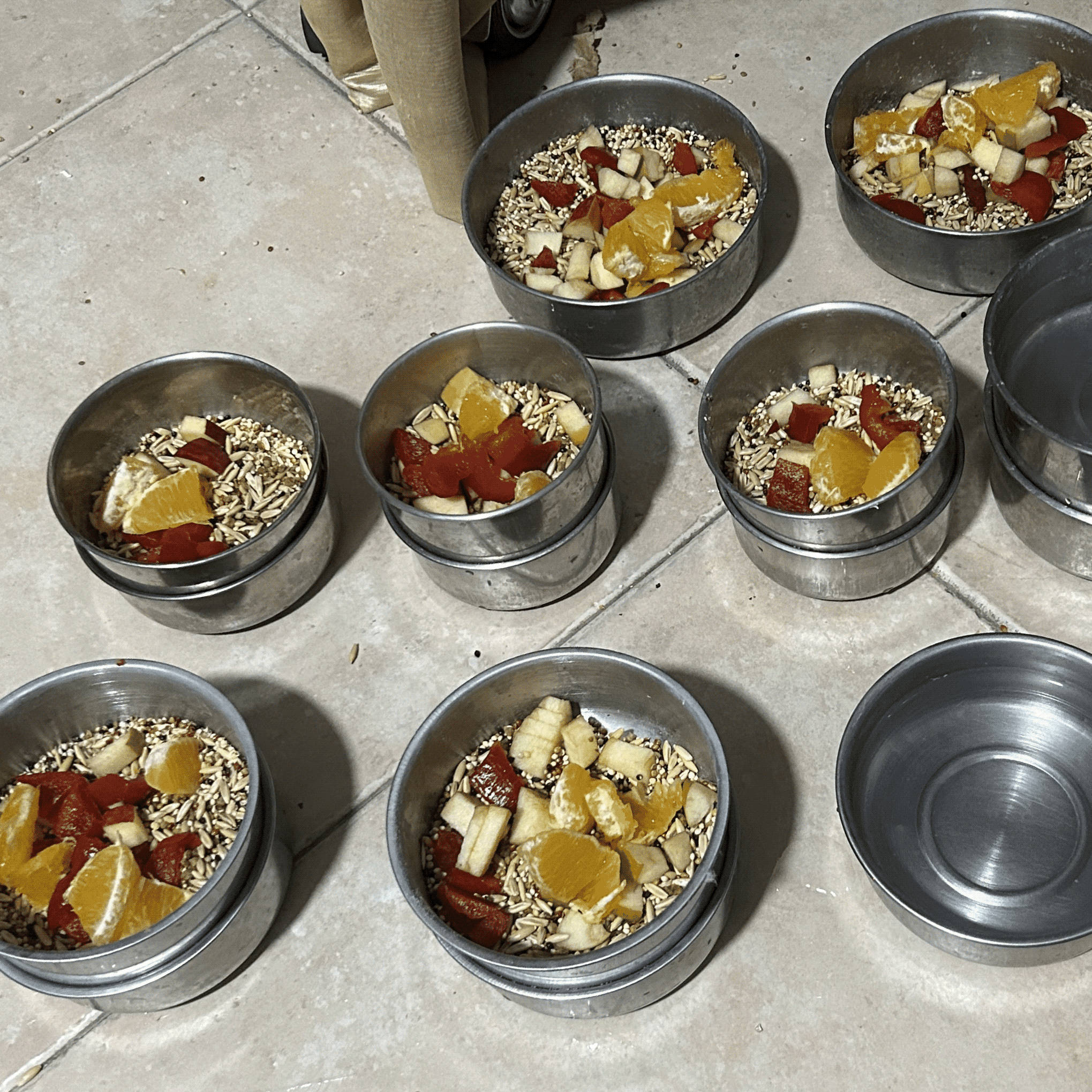
We highly recommend using stainless steel bowls instead of plastic ones. Plastic bowls can develop tiny scratches over time that trap harmful bacteria, which can be difficult to clean thoroughly. Stainless steel is non-porous, durable, and much safer for your parrot's health.

ParrotKidz Safety Tip

Plastic degrades and harbors microscopic germs. Opt for dishwasher-safe stainless steel to keep your feathered friend happy, healthy, and safe!

💧 Fresh Food & Water Hygiene


Tip: Clean bowls and fresh food help keep your bird healthy and happy.

Clean Daily

Wash food and water bowls daily with hot water and a bird-safe cleaner. Remove any leftover food, droppings or seed husks.

Fresh Water

Provide fresh, clean drinking water every day. Check and refill regularly, as some birds enjoy bathing or can quickly contaminate their water.

Fresh Food

Offer fresh foods in small portions and remove any uneaten food after a few hours to prevent spoilage and keep your bird safe.

Check Area

Keep bowls away from favourite perches when possible to reduce the risk of droppings contaminating food or water. Regularly check the feeding area and wipe it down when needed.

Keep it Safe

Clean bowls, fresh water and safe, fresh foods help prevent the growth of harmful bacteria and keep your parrot healthy and happy.

A Colourful Bowl for a Curious Beak


Diet Requirements

Parrots thrive on a balanced, diverse diet. High-quality pellets should form the foundation of their daily food intake, supplemented with vibrant fresh vegetables and healthy grains. Introducing diverse fresh textures and colors not only satisfies vital nutritional requirements but also provides healthy cognitive stimulation for curious, active minds.

⚠️ Crucial Safety Reminder

Human food isn't automatically parrot-safe. Everyday items like avocado, chocolate, onions, garlic, and caffeine are highly toxic to birds. Always double-check before sharing any food from your own plate.

Bird-Safe Vegetables

Chop these nutritious fresh options into bite-sized pieces and serve them daily to keep your parrot robust and happy:

High-Fat Treats — Feed in Moderation


Sunflower Seeds

Sunflower seeds are high in fat and energy and should not make up the main part of your parrot's diet. Frequently offering high-energy foods may contribute to hormonal and reproductive behaviour in some parrots, particularly when combined with other breeding triggers.

💡 ParrotKidz Tip

Sunflower seeds can still be enjoyed in moderation and make great high-value training rewards. A varied, species-appropriate diet is important for your parrot’s overall health and wellbeing.

Bonding & Handling


Building Trust, One Chirp at a Time

Strong bonds are built through patience, positive interactions and respecting your parrot’s boundaries. Learn how to socialise, train and handle your feathered friend safely while building lasting trust.


💡 Tip: Let your bird have a choice.

Spend Time

Sit near their cage, read aloud, or work nearby so they get comfortable with your reassuring presence.

Train

Use gentle target training and positive reinforcement with favorite treats to build strong mutual respect.

Play

Introduce colorful foot toys, puzzles, or simple foraging games to safely stimulate their intelligent minds.

Music

Whistle soft tunes or play calming ambient melodies. Many parrots absolutely adore shared rhythms and sounds!

Head Scratches

Once real trust is earned, gently pet their neck feathers. Never force physical contact; let them invite you.

Gentle Hands, Happy Birds


Building a lifetime bond of trust begins with understanding. Learn the fundamentals of respectful parrot handling, target training, and physical boundaries.

Handling Tips

Never grab or force a parrot. Approach them slowly at chest level, allowing them to choose interaction, and always respect their physical boundaries.

Step-Up Training

Reward step-ups with high-value treats like sunflower seeds. Keep training sessions brief (3-5 minutes), positive, and completely stress-free.

Shoulder Privileges

Earning shoulder time requires advanced trust. Ensure your bird reliably steps down onto a hand or perch before allowing them on your shoulder.

Behaviour


Understanding What Your Parrot Is Telling You!

Every chirp, movement and bite can be a form of communication. Learning to recognise your parrot’s body language, triggers and boundaries can help you better understand their needs and build a happier relationship.

A Bite Is Communication

Parrots rarely bite out of malice. In their world, a bite is a loud exclamation mark—the ultimate way to communicate when their subtle body language warning signs go unnoticed.

Why Parrots Bite

Biting is usually motivated by fear, defense of a territory (like their cage), hormonal spikes during spring, or simple overstimulation during intense play.

Watch for pinned (rapidly dilating) eyes, flared tail feathers, raised crest, growling sounds, beak clicking, or a rigid stance. These all mean 'back off!'

If your parrot shows signs of aggression, do not react with anger. Calmly place them back down, step away, and give them 10-15 minutes to regulate their emotions.

Did You Know? 🦜

Parrots can be left- or right-footed! Just like humans are right- or left-handed, parrots display a strong preference for using one foot to hold food, manipulate toys, and step up.

Cute Doesn't Always Mean Suitable

Many popular pet store products marketed for birds are actually counterproductive to their well-being. Knowing the behavioral triggers can save your parrot from chronic stress.

Fabric Huts & Nesting Tents

While they look adorable and cozy, fabric huts and tents act as potent hormonal triggers. Parrots perceive these enclosed, dark spaces as nesting holes, which can spark extreme territorial aggression, chronic egg laying, and dangerous crop infections if they chew and swallow the loose fabric fibers.

Mirror, Mirror... No Mirror!

Parrots do not recognize their own reflection. To them, a mirror is a 'stranger' bird who never leaves. This leads to unhealthy obsession, constant regurgitation attempts, and frustration from a 'mate' that never responds back. Opt for foraging toys instead of reflective surfaces.

Common Hormonal Triggers

Hormonal and reproductive behaviour is natural in parrots, but certain environmental, dietary and physical cues can encourage it or make it more frequent. Recognising and reducing unnecessary triggers can help manage hormonal behaviour.

Dark & Enclosed Spaces Icon
Dark & Enclosed Spaces

Huts, tents, boxes, coconut hideaways and other dark or enclosed spaces can resemble nesting cavities. This may encourage nesting and reproductive behaviour. Provide open sleeping and resting areas instead.

Mirrors Icon

Mirrors

Some parrots may become strongly attached to their reflection, treating it like another bird or potential mate. If your parrot becomes possessive, regurgitates for the mirror, guards it or shows increased reproductive behaviour, removing the mirror may help.

Where You Pet Matters Icon

Where You Pet Matters

Keep physical affection mainly to the head and neck. Stroking the back, underneath the wings, belly or near the tail can be interpreted as courtship or mating behaviour by some parrots.

High-Energy Foods Icon

High-Energy Foods

Regular access to large amounts of calorie-dense, high-fat foods may contribute to reproductive condition in some parrots. Foods such as sunflower seeds and nuts are better offered in appropriate portions rather than making up the majority of the diet.

Sleep & Light Icon

Sleep & Light

A consistent day/night routine with sufficient uninterrupted darkness and sleep is important. Long periods of light and disrupted sleep schedules can affect reproductive cycles in some parrots.

Nesting Materials Icon

Nesting Materials

Shredded paper, cardboard or other materials can become nesting material if a hormonal bird begins collecting, hiding or arranging them in enclosed areas. This doesn’t mean cardboard enrichment is automatically bad — DIY cardboard and egg-tray toys are still useful enrichment. Watch how the individual bird uses them.

💡 ParrotKidz Tip

Every parrot is different.

A toy, food or environment doesn’t automatically cause hormonal behaviour in every bird. Look for patterns in your bird’s behaviour and adjust potential triggers when necessary.

Health


Know What's Normal

Parrots are masters at hiding illnesses to avoid looking vulnerable to predators. It is up to you to recognize the subtle, everyday shifts in their health parameters.

1. Weekly Weigh-ins

Weigh your bird on a kitchen scale (in grams) first thing in the morning. A rapid drop of 5% to 10% of their body weight is a critical warning sign that requires an immediate vet consult.

2. Dropping Watch

Healthy droppings are composed of clear liquid urine, creamy-white urates, and solid green/brown feces. Keep an eye out for missing components, strange colors, or runny consistency.

3. Energy & Breathing

A bird sitting on the cage floor, fluffing its feathers constantly, or bobbing its tail with every breath is expending massive energy just to stay upright. Seek immediate vet care.

Be Prepared

An emergency setup can mean the difference between life and death. Prepare your bird first-aid kit long before you actually need it.

First Aid Kit Essentials

Important Disclaimer

The details provided on this site are for educational purposes only and must not replace professional veterinary advice. Always find and register with an experienced avian-specific veterinarian. Standard cat/dog vets often lack the specialized equipment and knowledge required to safely treat avian anatomy.

Parrots Aren't Impulse Pets

Bringing a parrot home is an extremely long-term relationship decision. Some larger species can live as long as humans, demanding emotional depth, specialized nutrition, and interactive stimulation every single day. They are not cage decorations—they are highly social family members.

Years Lifespan (Some Species)
0 +
Hours Social Attention Required Daily
0 +

Keep Learning

Caring for an exotic species is an evolving journey. Explore our interactive projects, reach out with questions, or stay in touch with our thriving feather-loving community.

ParrotKidz Care Icon
ParrotKidz Care Disclaimer

The information on this page is provided for general educational purposes and is based on our experiences as parrot owners, research and commonly recommended parrot-care practices. It is not a substitute for professional veterinary advice.

Every parrot is different, and care requirements may vary depending on species, age, health and individual needs. While we aim to keep our information helpful and accurate, recommendations and knowledge may change over time.

If you are concerned about your parrot’s health, behaviour or wellbeing, please consult a qualified avian veterinarian.


Last reviewed: September 2026

Spot something that needs updating? Let us know at parrotkidzz@gmail.com