Parrot Care Tips
Happy birds start with informed owners.
Quick Care Categories
Housing & Cage Setup
Toys & Enrichment
Feeding & Nutrition
Bonding & Handling
Behaviour
Health & Safety
Housing & Cage Setup
A Happy Home Starts With the Right Setup
1. Generous Cage Space
2. Mental Enrichment
3. Natural Wood Perches
4. Perch Placement
Parrots naturally tend to feel safer and more comfortable when they can perch higher up. Place suitable perches towards the upper areas of the cage to provide elevated resting spots, similar to their natural preference for resting higher in trees.
Your parrot's cage shouldn't just be somewhere they sleep — it should be an environment they can explore.
Toys & Enrichment
Keep Those Beaks & Brains Busy!
Regular toy rotation is key to preventing bird boredom! Swap out activities weekly to stimulate their natural foraging, shredding, and climbing instincts.
Shredding Toys
Foraging Puzzles
Climbing Gear
Interactive Play
DIY Doesn't Have to Be Expensive!
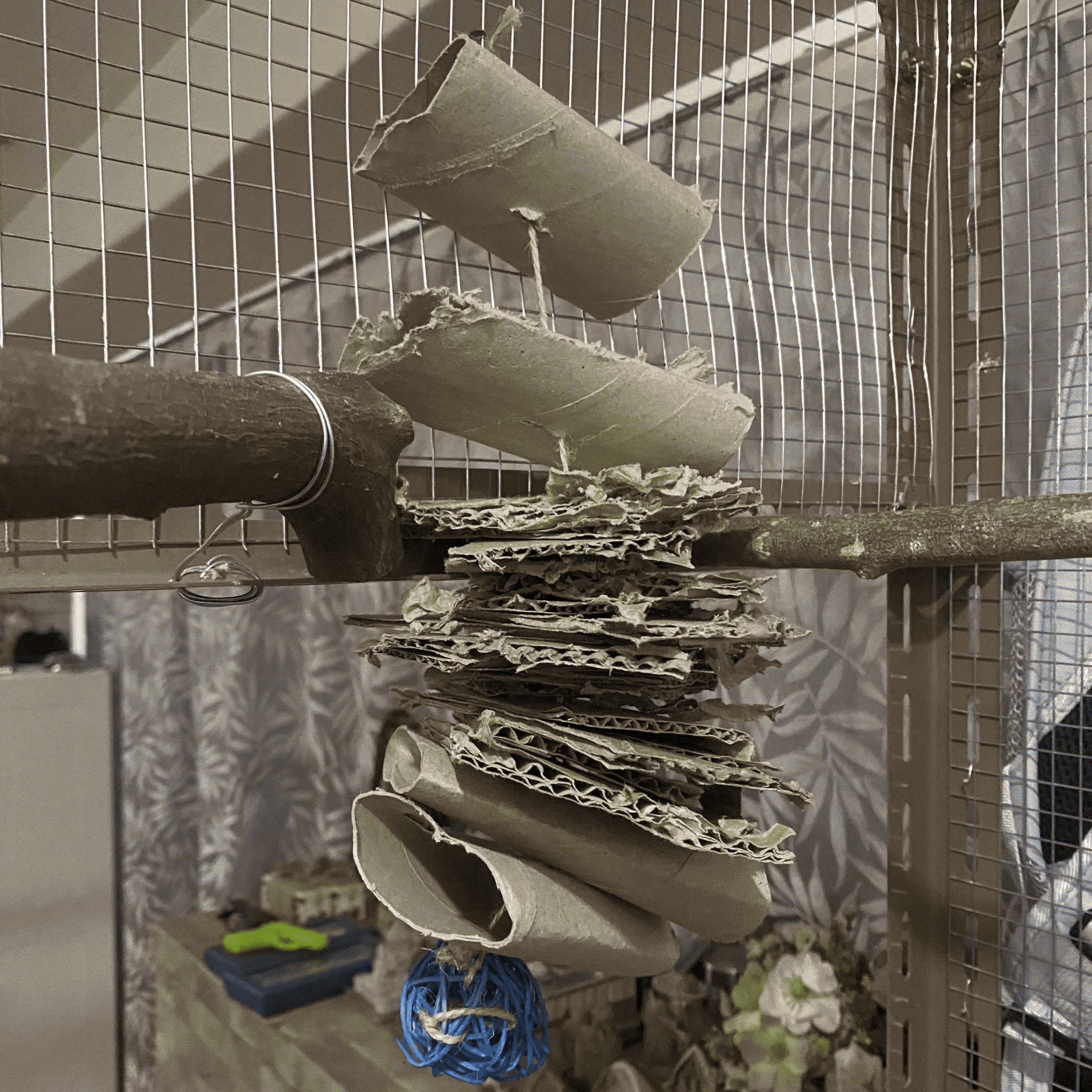
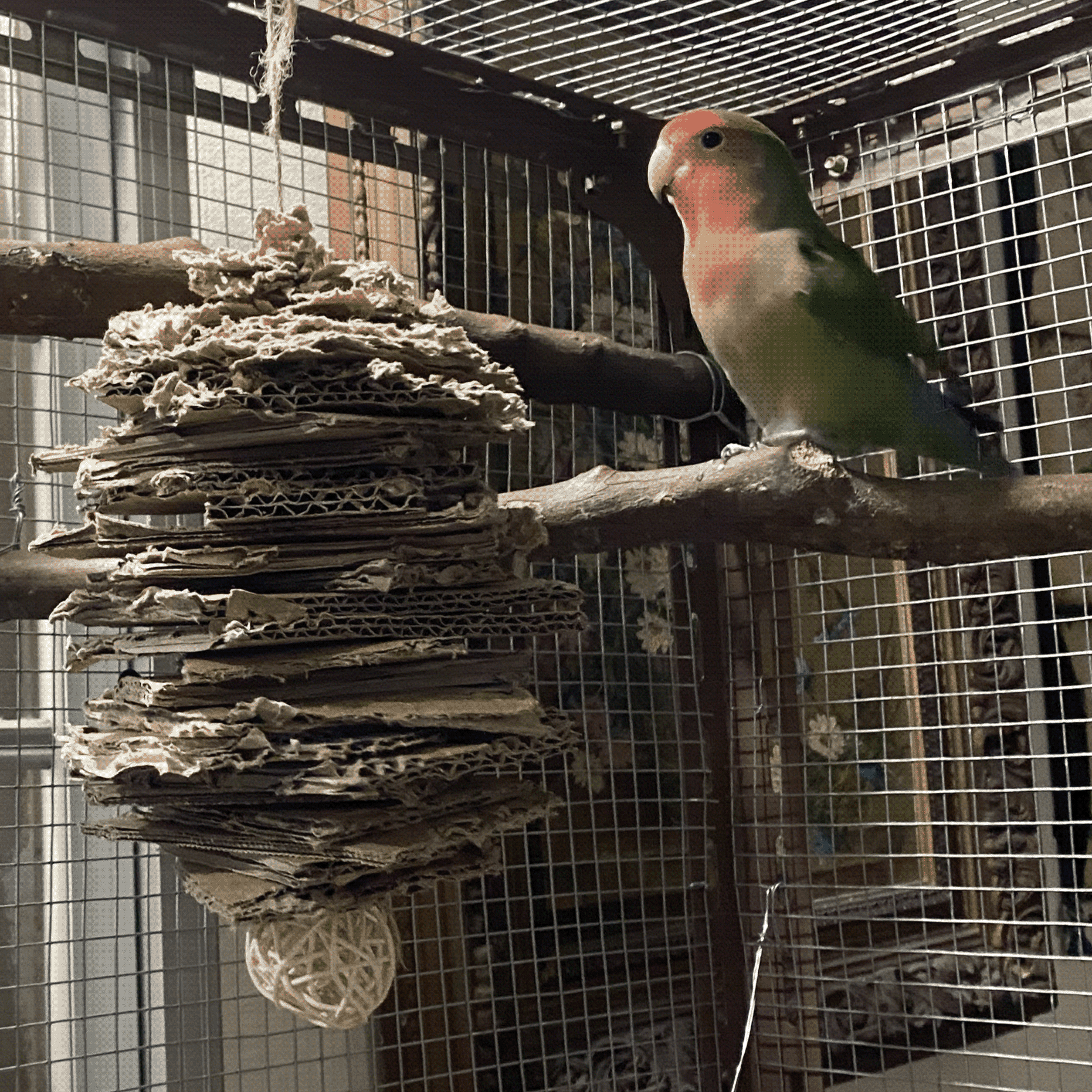
Parrots love to chew, shred, and destroy—it is a vital natural behavior! Fortunately, you don't need a massive budget to keep your feathered friend happy. Everyday items like clean cardboard can quickly be transformed into zero-cost, high-engagement toys.
The Magic of Cardboard Upcycling
⚠️ DIY Safety & Nesting Warnings
ParrotKidz DIY Idea 🦜
Fun Should Still Be Safe
High-Risk Toy Hazards
Feeding & nutrition
Healthy Habits Start With Every Bowl!
From choosing safe feeding bowls and keeping food and water fresh to providing a balanced diet, good feeding habits play an important role in your parrot’s everyday wellbeing.
Stainless Steel vs. Plastic Bowls
ParrotKidz Safety Tip
💧 Fresh Food & Water Hygiene
Tip: Clean bowls and fresh food help keep your bird healthy and happy.
Clean Daily
Wash food and water bowls daily with hot water and a bird-safe cleaner. Remove any leftover food, droppings or seed husks.
Fresh Water
Provide fresh, clean drinking water every day. Check and refill regularly, as some birds enjoy bathing or can quickly contaminate their water.
Fresh Food
Offer fresh foods in small portions and remove any uneaten food after a few hours to prevent spoilage and keep your bird safe.
Check Area
Keep bowls away from favourite perches when possible to reduce the risk of droppings contaminating food or water. Regularly check the feeding area and wipe it down when needed.
Keep it Safe
Clean bowls, fresh water and safe, fresh foods help prevent the growth of harmful bacteria and keep your parrot healthy and happy.
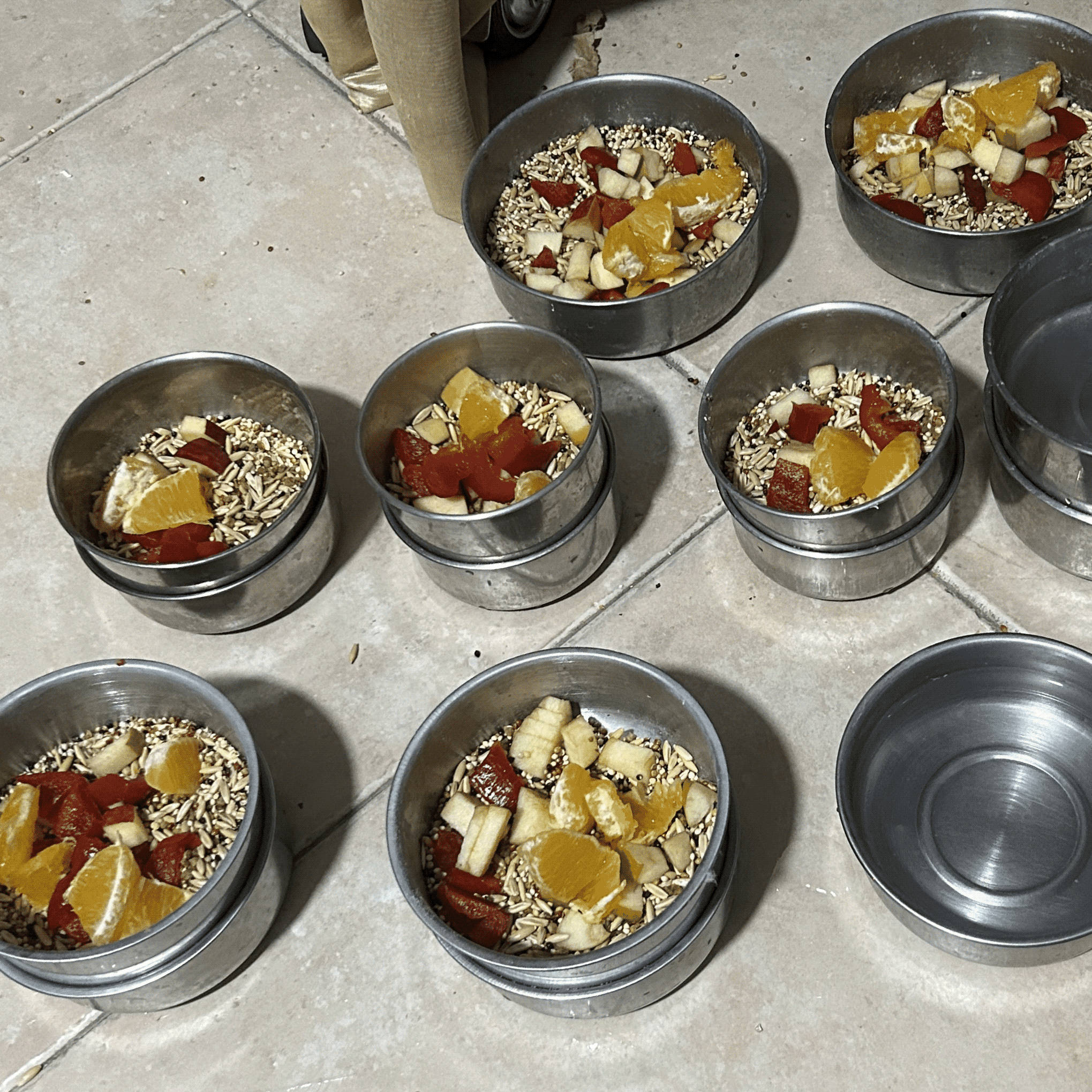
A Colourful Bowl for a Curious Beak
Diet Requirements
⚠️ Crucial Safety Reminder
Bird-Safe Vegetables
High-Fat Treats — Feed in Moderation
Sunflower Seeds
Sunflower seeds are high in fat and energy and should not make up the main part of your parrot's diet. Frequently offering high-energy foods may contribute to hormonal and reproductive behaviour in some parrots, particularly when combined with other breeding triggers.
💡 ParrotKidz Tip
Sunflower seeds can still be enjoyed in moderation and make great high-value training rewards. A varied, species-appropriate diet is important for your parrot’s overall health and wellbeing.
Bonding & Handling
Building Trust, One Chirp at a Time
Strong bonds are built through patience, positive interactions and respecting your parrot’s boundaries. Learn how to socialise, train and handle your feathered friend safely while building lasting trust.
Spend Time
Train
Play
Music
Head Scratches
Gentle Hands, Happy Birds
Handling Tips
Step-Up Training
Shoulder Privileges
Behaviour
Understanding What Your Parrot Is Telling You!
Every chirp, movement and bite can be a form of communication. Learning to recognise your parrot’s body language, triggers and boundaries can help you better understand their needs and build a happier relationship.
A Bite Is Communication
Parrots rarely bite out of malice. In their world, a bite is a loud exclamation mark—the ultimate way to communicate when their subtle body language warning signs go unnoticed.
Did You Know? 🦜
Parrots can be left- or right-footed! Just like humans are right- or left-handed, parrots display a strong preference for using one foot to hold food, manipulate toys, and step up.
Cute Doesn't Always Mean Suitable
Many popular pet store products marketed for birds are actually counterproductive to their well-being. Knowing the behavioral triggers can save your parrot from chronic stress.
Fabric Huts & Nesting Tents
While they look adorable and cozy, fabric huts and tents act as potent hormonal triggers. Parrots perceive these enclosed, dark spaces as nesting holes, which can spark extreme territorial aggression, chronic egg laying, and dangerous crop infections if they chew and swallow the loose fabric fibers.
Mirror, Mirror... No Mirror!
Parrots do not recognize their own reflection. To them, a mirror is a 'stranger' bird who never leaves. This leads to unhealthy obsession, constant regurgitation attempts, and frustration from a 'mate' that never responds back. Opt for foraging toys instead of reflective surfaces.
Common Hormonal Triggers
Hormonal and reproductive behaviour is natural in parrots, but certain environmental, dietary and physical cues can encourage it or make it more frequent. Recognising and reducing unnecessary triggers can help manage hormonal behaviour.
Dark & Enclosed Spaces
Mirrors
Where You Pet Matters
High-Energy Foods

Sleep & Light
Nesting Materials
💡 ParrotKidz Tip
Every parrot is different.
A toy, food or environment doesn’t automatically cause hormonal behaviour in every bird. Look for patterns in your bird’s behaviour and adjust potential triggers when necessary.
Health
Know What's Normal
Parrots are masters at hiding illnesses to avoid looking vulnerable to predators. It is up to you to recognize the subtle, everyday shifts in their health parameters.
1. Weekly Weigh-ins
Weigh your bird on a kitchen scale (in grams) first thing in the morning. A rapid drop of 5% to 10% of their body weight is a critical warning sign that requires an immediate vet consult.
2. Dropping Watch
Healthy droppings are composed of clear liquid urine, creamy-white urates, and solid green/brown feces. Keep an eye out for missing components, strange colors, or runny consistency.
3. Energy & Breathing
A bird sitting on the cage floor, fluffing its feathers constantly, or bobbing its tail with every breath is expending massive energy just to stay upright. Seek immediate vet care.
Be Prepared
An emergency setup can mean the difference between life and death. Prepare your bird first-aid kit long before you actually need it.
First Aid Kit Essentials
Important Disclaimer
The details provided on this site are for educational purposes only and must not replace professional veterinary advice. Always find and register with an experienced avian-specific veterinarian. Standard cat/dog vets often lack the specialized equipment and knowledge required to safely treat avian anatomy.
Parrots Aren't Impulse Pets
Bringing a parrot home is an extremely long-term relationship decision. Some larger species can live as long as humans, demanding emotional depth, specialized nutrition, and interactive stimulation every single day. They are not cage decorations—they are highly social family members.